
From Farm to Table: Why Agriculture Matters in Building Safer Food Systems
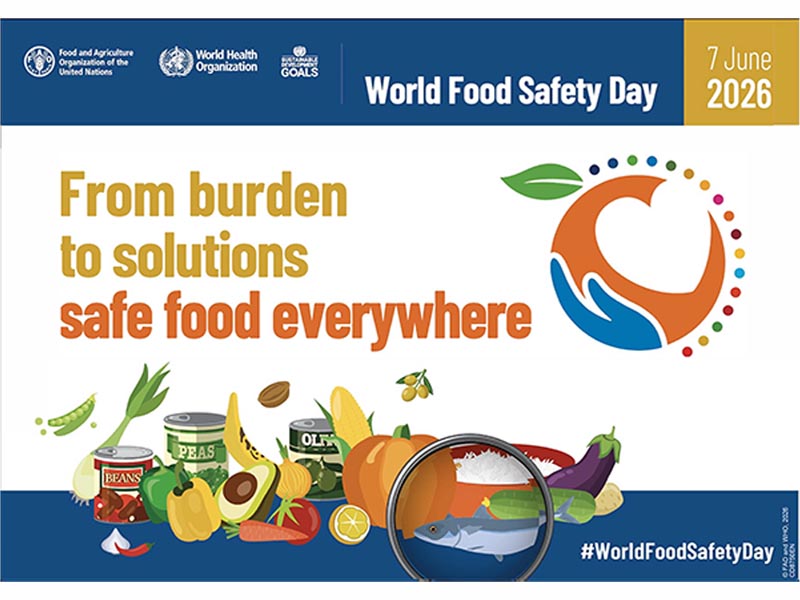
As we mark World Food Safety Day on 7 June 2026, this year’s theme, “From burden to solutions – safe food everywhere,” highlights the importance of strengthening food safety systems across the entire food chain, from farm to table.
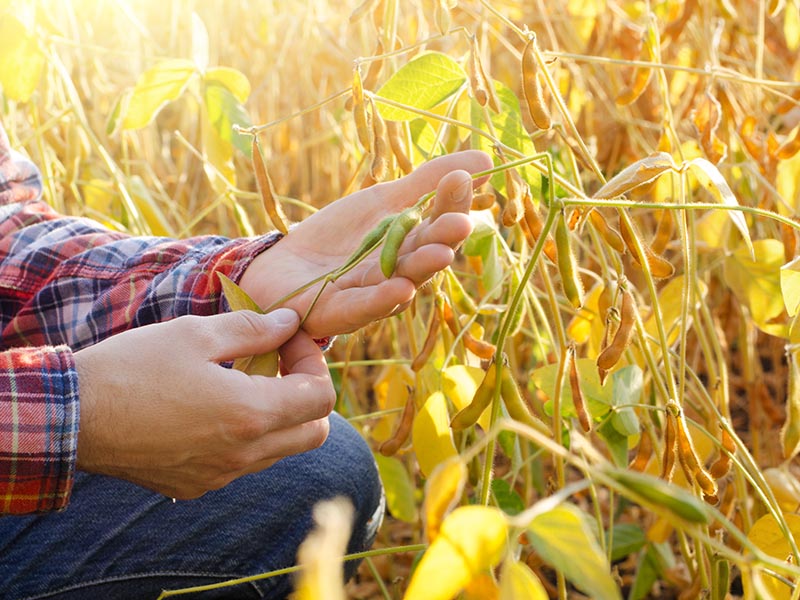
When people think about food safety, they often picture food processing plants, retailers, or restaurant kitchens. However, food safety begins much earlier than that. It starts in the field.
At The Original Grain Company, we believe agriculture is the first line of defence when it comes to producing safe, high-quality food. The decisions made during planting, cultivation, harvesting, storage, and transport all have a direct impact on the food that eventually reaches consumers.
Globally, there is growing recognition that preventing contamination at source is one of the most effective ways to reduce foodborne illness, minimise food loss and waste, and create more resilient food systems. This means identifying and managing biological, chemical, and physical risks before crops even leave the farm.
Modern farming practices increasingly focus on preventative systems designed to identify and manage risks early. This includes implementing Good Agricultural Practices (GAP), maintaining soil health, using water responsibly, carefully managing pesticide applications, and strengthening on-farm biosecurity measures to reduce contamination risks such as Salmonella, E. coli, pesticide residues, and mycotoxins.
Food safety cannot be reactive. The focus today is on building proactive systems that reduce risks before they become larger problems. Strong agricultural practices not only help protect consumers, but also assist farmers in reducing waste, improving crop quality, and strengthening long-term sustainability across the food chain.
This year’s World Food Safety Day campaign also places strong emphasis on the role of science, monitoring, and data-driven decision-making in reducing the public health burden associated with unsafe food.
Across the agricultural sector, producers increasingly use scientific tracking, crop monitoring, and risk-based management systems to identify potential issues early and improve intervention strategies throughout the production cycle.
In grain production specifically, proper post-harvest handling and storage are critical in maintaining food quality and preventing contamination. Temperature control, moisture management, adequate storage facilities, and efficient transport systems all play an important role in reducing spoilage, bacterial growth, and toxin formation before products reach processors or consumers.
At The Original Grain Company, we work directly with farmers across Southern Africa to source agricultural commodities such as maize and soybeans, while managing logistics and commodity movement throughout Africa. Our work focuses on sourcing, trading, and transporting agricultural products, while The Original Grain Fund manages long-term agricultural investment initiatives through its Advanced Agricultural Product Purchasing (AAPP) programme.
The AAPP programme was developed to support farmers during one of the most critical stages of the farming cycle by providing upfront investment at planting stage. Through the programme, farmers receive support with input costs such as seed, fertiliser, labour, and equipment, while guaranteed offtake agreements linked to SAFEX pricing help secure supply at source.
We believe that supporting farmers with the right infrastructure, funding, expertise, and market access ultimately contributes to stronger and safer food systems.
Food safety and food security are closely connected. When farmers have access to the resources needed to farm effectively and responsibly, it strengthens the reliability, quality, and sustainability of the broader food supply chain.
Our operations, particularly within the Vrede region in the Free State, demonstrate how underutilised agricultural land can be transformed into productive farming operations through investment, partnerships, and operational support.
Beyond food production itself, agriculture also plays an important role in supporting economic stability, rural livelihoods, and international trade. Compliance with recognised food safety standards is increasingly essential for market access, export opportunities, and long-term supply chain resilience.
World Food Safety Day serves as an important reminder that food safety is a shared responsibility that begins long before food reaches store shelves.
Safe food starts with strong agricultural systems. From farmers and transporters to processors, retailers, regulators, and consumers, every part of the food chain has a role to play in protecting food quality and reducing waste. When agriculture is supported through science-based practices, strong partnerships, and proactive planning, it benefits both public health and long-term food security.

World Food Safety Day